How we cut mobile check deposit complaints by 80%
Alignment, Experience design, Interface design, and Interaction design for Truist
UX Design
Strategy
App
Download the app!
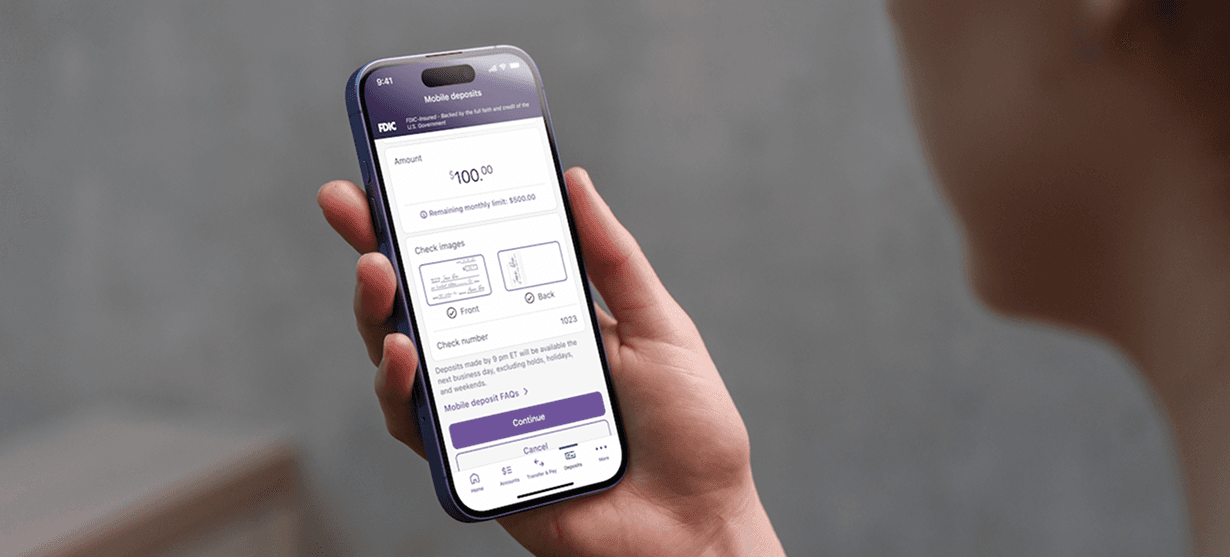
Truist's mobile check deposit was generating a disproportionate share of customer complaints, and the root cause was the flow itself. I led a redesign that challenged the fundamental assumptions behind how users moved through the deposit process, working within strict technical and legal constraints, and ultimately addressed roughly 80% of those complaints.
Client
Truist
Timeline
Q4 2024 - Q4 2025
Role
UX Designer
What I Did
Alignment, UX Design
Tools





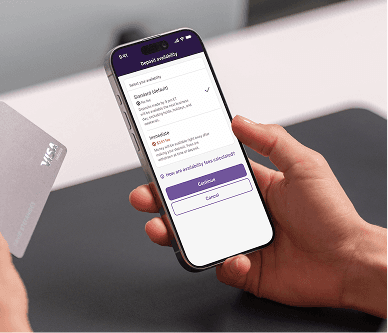
Project Overview
Challenge
Update and modernize the existing mobile check deposit feature to address a number of client feedback issues, industry report findings, and to boost the overall app experience.
Output
I created an expansive set of wireframes, user flows, and other documentation for our UI designer and our Product Owner. Additionally, I worked to collaboratively refine our product solution and address a number of constraints and edge cases.
Context
MCD had received renewed enthusiasm for a design update after receiving consistent complaints through Voice of Client surveys and from multiple reviews in financial industry product reports. The proposed design update would need to include all necessary prior functionality, and needed to avoid creating custom component work for developers. Lastly, the feature comes with some significant technical and legal constraints that apply to scanning and depositing checks.
Team
Our team consisted of:
UX designer
Myself
UI designer
Jake Moser
Content designer
Linda Richey, after two staffing changes.
Product Owner
In series, Melissa Waldberg, Matt Barona, and then Hayden Thomas
Research
Paul Khawaja, Dylan Bush
Design Leadership
Nat Stormer, Eva Story
Phase 1 - Wild Wires
Feature History
The first task of any re-design or design improvement project is to learn everything that went into the current state of the feature. MCD is an important feature for mobile banking, so there we consumed a backlog of:
business context
design files
feature documentation
research reports
conversations with previous designers and product owners
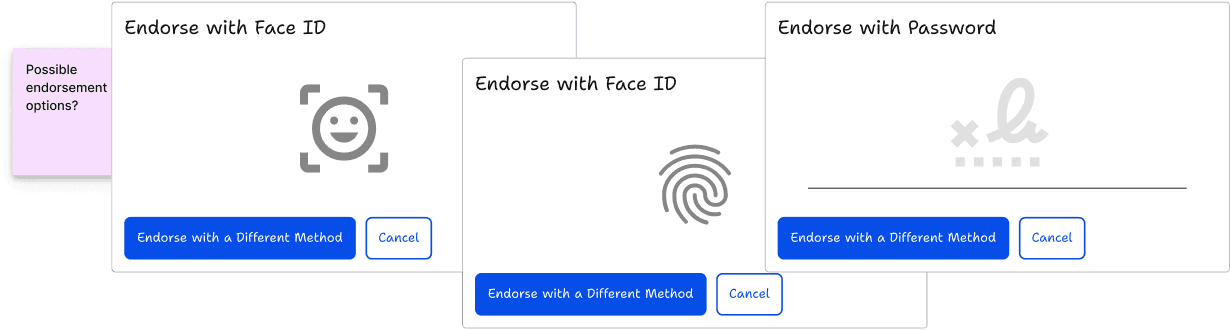
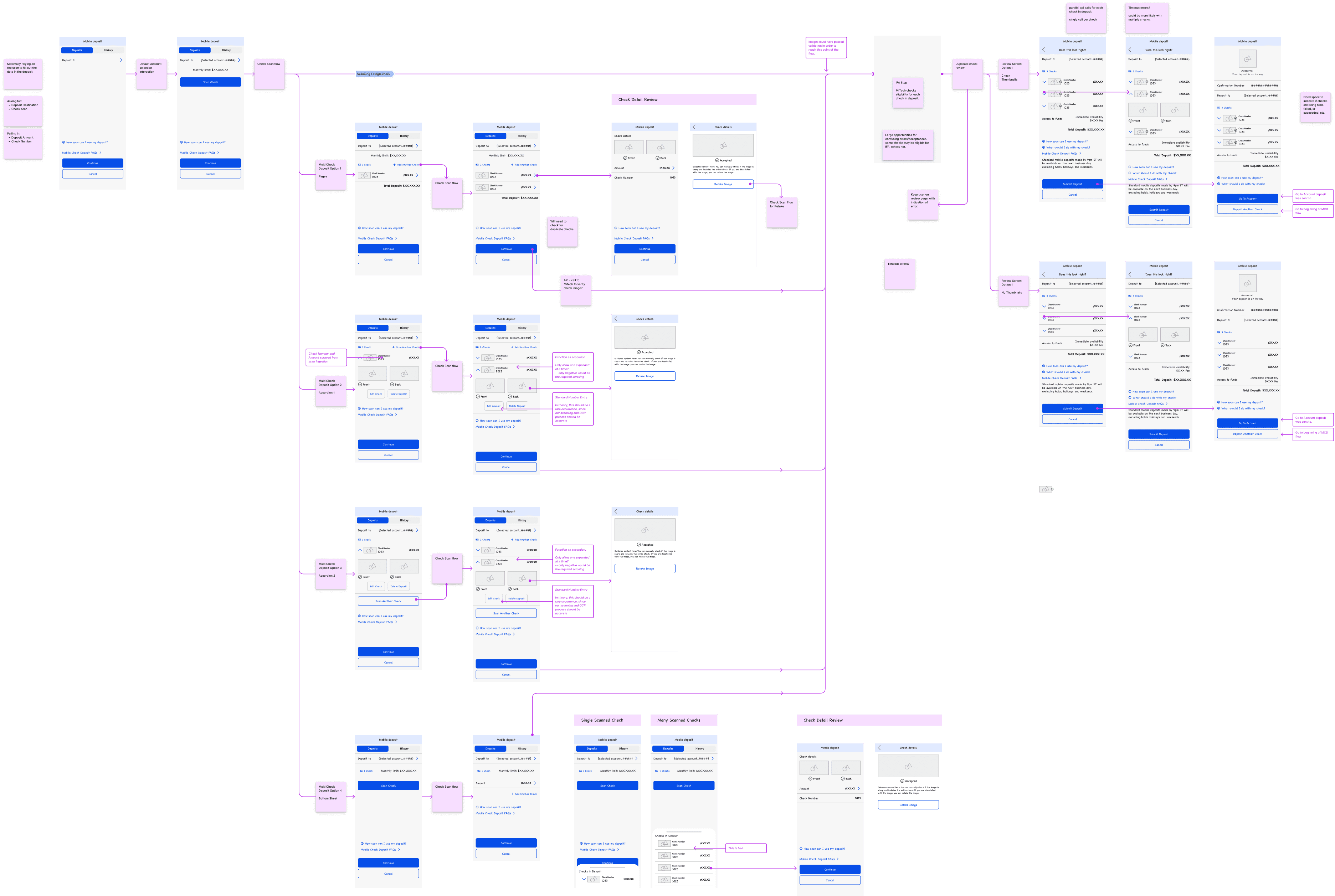
We were offered encouragement to explore weird concepts. Our product leadership gave us marching orders and leeway to explore a variety of different directions for how we could fundamentally change the check deposit process.
Home Page
I pushed the design of the home page in a more bold new direction for their brand, hoping that the new aesthetic would push returning visitiors to rethink their expectations from MHI
Home Page
I pushed the design of the home page in a more bold new direction for their brand, hoping that the new aesthetic would push returning visitiors to rethink their expectations from MHI
Technical Constraing - MiSnap
Early in our discovery, we learned about the behemoth that would, if not control, heavily influence the overall product: MiTek and their product MiSnap.
MiSnap is a software product that handles the actual document scanning portion of MCD. Their tool handles all of the on screen feedback, the image capture, OCR, and some basic data validation. One major advantage to using MiSnap is that it comes with full A11y support for blind and vision-impaired users out of the box.
However, because this tool is so central and the accuracy of the information the tool returns is paramount, MiSnap is difficult for Truist's devs to work with and making changes to it incurr a hefty price tag.
The bottom line: MiSnap is the core of the check scanning process, is therefore unavoidable, and also is essentially out of scope for our first set of feature improvements.

Scan Flow
I pushed the design of the home page in a more bold new direction for their brand, hoping that the new aesthetic would push returning visitiors to rethink their expectations from MHI
Phase 2 - Slightly Higher Fidelity
Narrowing in Concept
We reviewed some of the ideas that challenged the current patterns with our product leadership team and received mixed responses. We decided a couple of options to pursue through testing, but largely heard a need to stay closer to existing patterns from Truist as well as the competitive landscape.
Testing
Outline the topics and questions we wanted to test.
pull questions from the actual research effort?
Which flow of information entry feels the most intuitive & logical (i.e. account first, or all at once?)
How well do users understand when their funds will be available?
How would users try to correct information that was entered incorrectly?
What do users expect the next steps would be after submitting the check deposit?
Phase 3 - Final Direction
Narrowing in Concept
We were able to create a final flow and design that incorporated the successful elements of each of the three tested options and adopts some of the newer UX patterns emerging from parallel digital banking design efforts.
Features:
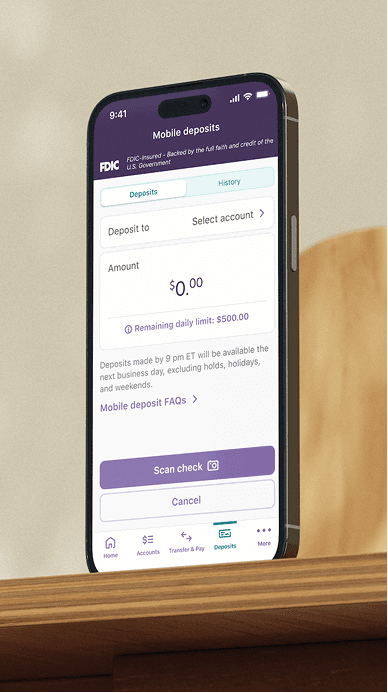
Reduced initial data entry fields
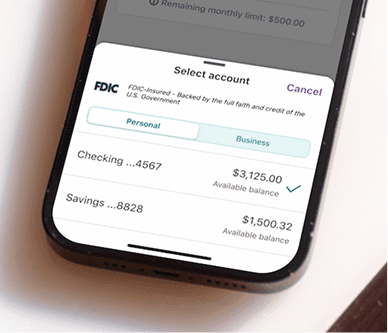
Keeps user on one page by using inline amount entry and bottom sheet account selection
Minimized help & FAQ tertiary buttons.
Guideline information provided when directly relevant
clear & helpful scan acceptance information and imagery
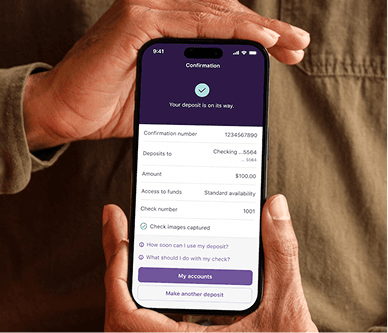
clear, dynamic review & confirmation
AAU Study
Ran validation study with followup questions about some of the newer patterns we wanted to include
Documenting Edge Cases
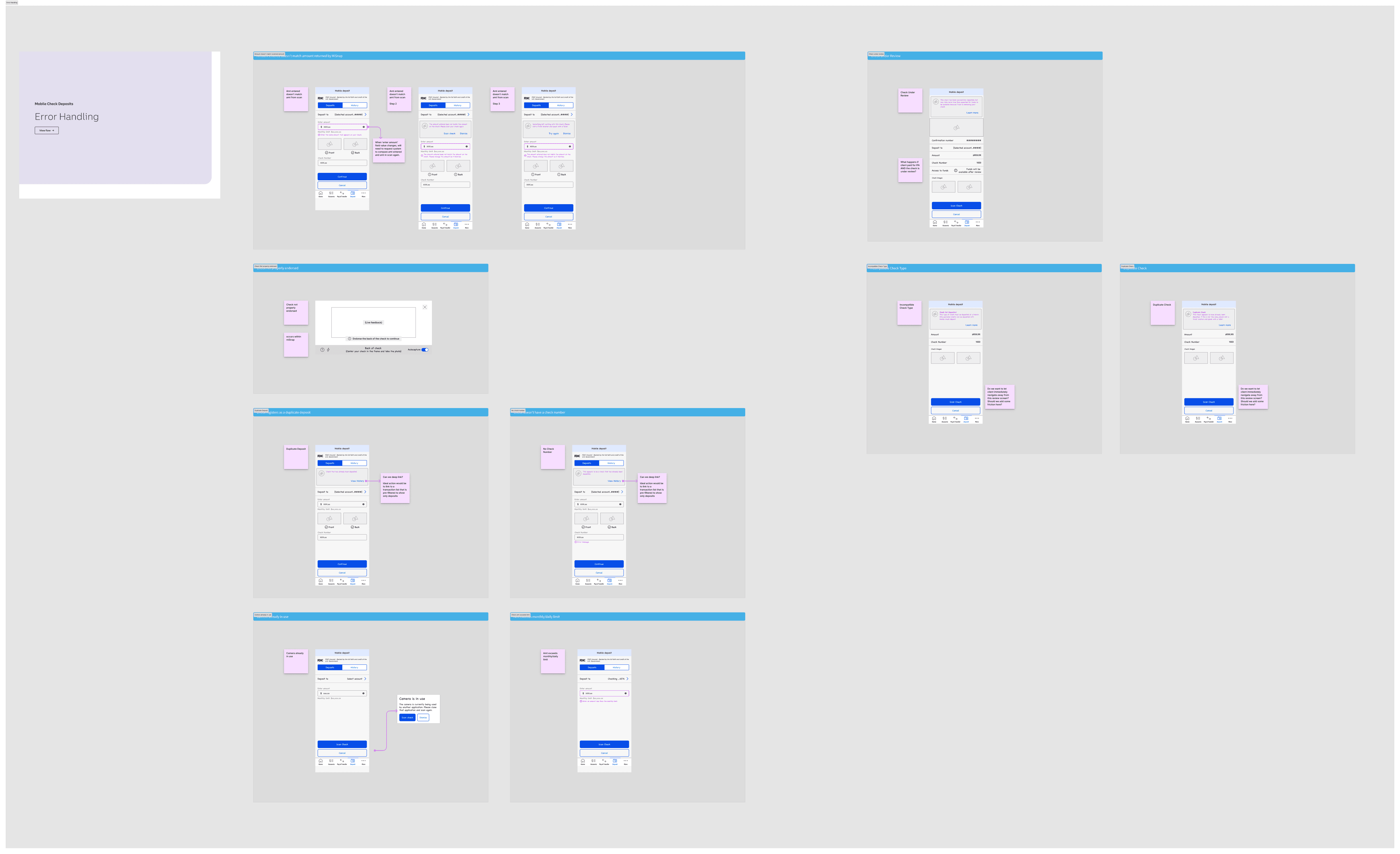
With a process that includes a physical item to be scanned, potential for fraud and abuse, and a baseline complexity of financial transactions inherent to all banking features, we had a number of possible errors, conflicts, and protections to document.
Home Page
Full UX documentation for all of the different edge cases and error scenarios that we identified in partnership with Wade, our Product Owner.
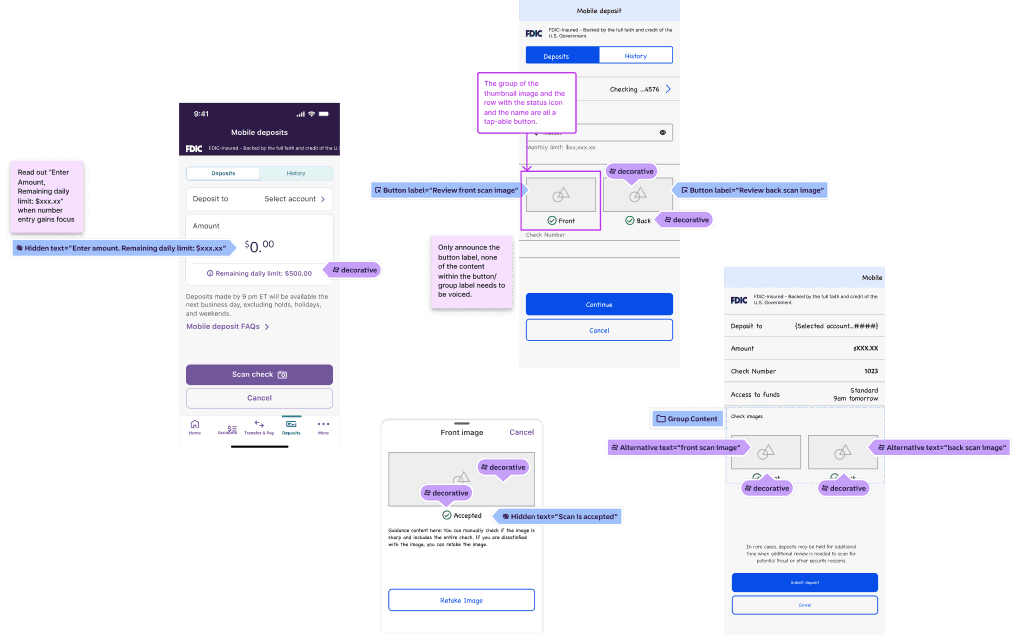
Accessibility Reviews
One of the great advantages to using the MiSnap product is that it comes with full accessibility coverage built in. After reviewing the newer UI patterns through a design system perspective, there were only a few elements that needed additional A11y documentation.
Home Page
I pushed the design of the home page in a more bold new direction for their brand, hoping that the new aesthetic would push returning visitiors to rethink their expectations from MHI
Closing Thoughts
Most all of us that work in tech or that live middle class lives have interacted with a mobile check deposit feature enough times that it feels like an easy, intuitive, and uncomplicated part of any banking app. The truth, as is often the case, is that these features are far more complex than they let on. We began creating exploratory designs by early Q4 2024, but it wasn't until late Q3 2025 that any of those designs started being refined for development. At the time of writing, I believe the teams are forecasting a minimum of three more 12-week PI's before the changes in this design update feature are fully implemented.